Walk, Savor, and Listen across Slovenia
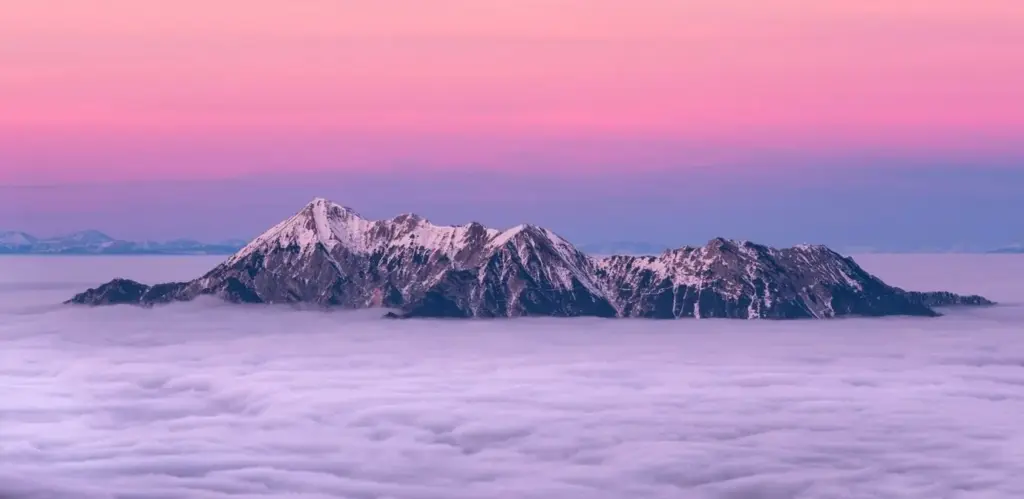
Footsteps across the Julian Alps
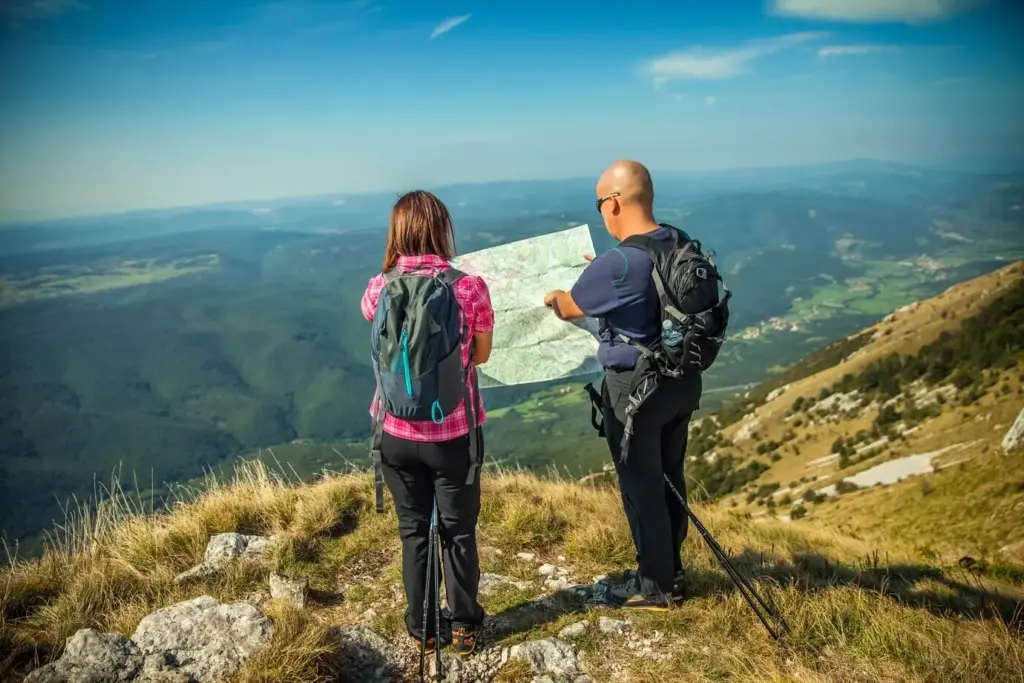

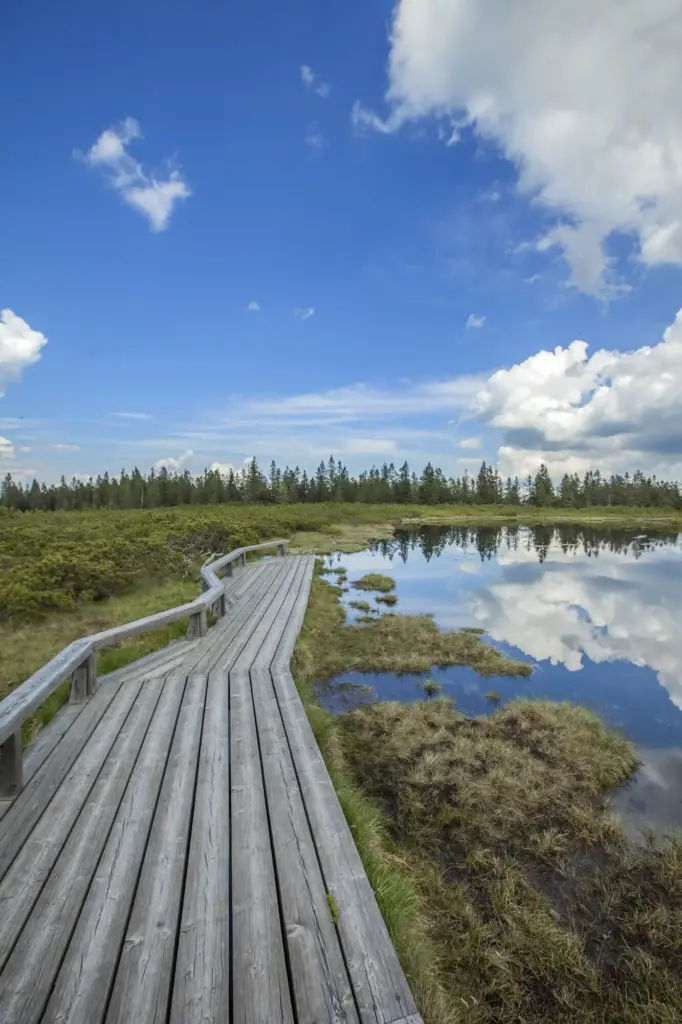
Plates that tell the landscape
Winds, limestone, and living wines
Vipava breezes and amphora secrets
In Vipava Valley, winds write calligraphy across vineyards while clay amphorae rest like buried moons. Orange wines open with apricot, tea, and a gentle tannic handshake welcoming mountain cheeses. Winemakers talk soil, storms, and family, unhurriedly explaining why long maceration fits a landscape that asks travelers to stroll, look twice, and remember the names of ridgelines.
Karst cellars, teran, and quiet stone
Karst limestone keeps cellars cool as prosciutto hangs motionless, a patient punctuation mark between sips of garnet teran. The wine’s ferrous snap mirrors red earth underfoot and distant sea hush. Conversations echo softly under vaulted ceilings, where a candle stains the wall and friends pass plates, knives, and praise while rain taps the courtyard steps.
Echoes that color every valley
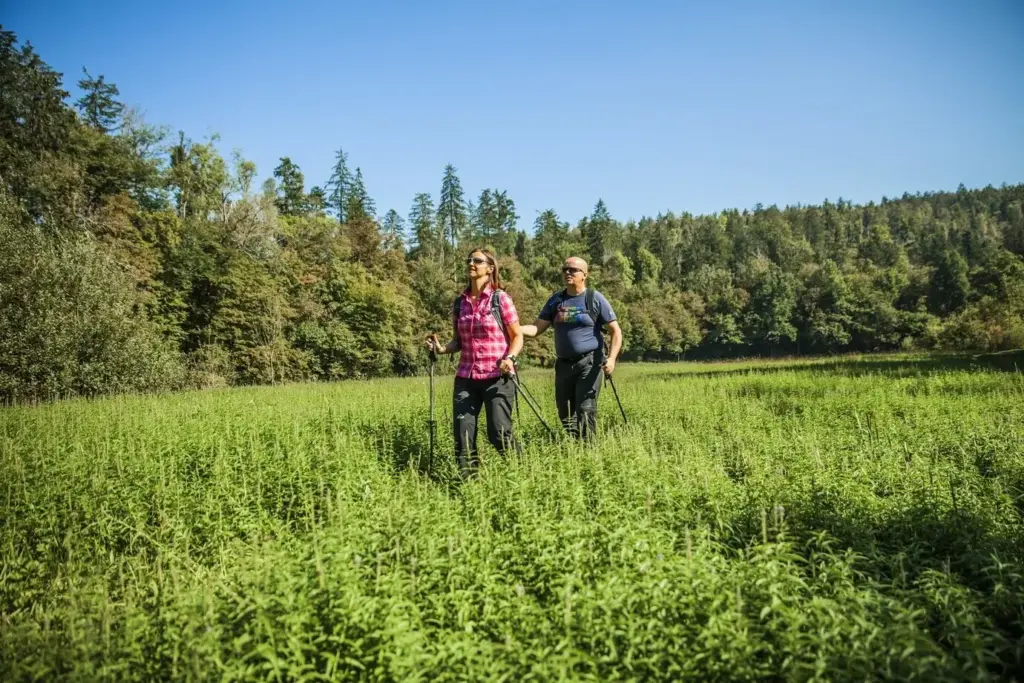
When the path meets the Adriatic
Celebrations that stitch days together
Bells that chase winter from doorways
Kurent figures stride through streets shaking noise into spring, their sheepskins and masks blurring fear into laughter. Children stare, then cheer, then copy the steps. The air smells like doughnuts and woodsmoke; pockets collect confetti and plans. By sunset, the town feels lighter, and strangers resemble cousins who simply took a longer road home.
Lace, patience, and a town of bright stories
In Idrija, bobbins click like gentle rain on windowsills as patterns bloom from quiet focus. The same town remembers mercury mines and hardworking hands; museums explain ingenuity without heaviness. Watching lace grow teaches measured breathing, neighborly help, and the funny truth that delicate things often outlast everything when cared for with stubborn tenderness and steady tea.
All Rights Reserved.